Permits & Code
Restaurant Hood and Fire Suppression Permits: What Slows Openings
October 23, 2025 · 6 min read
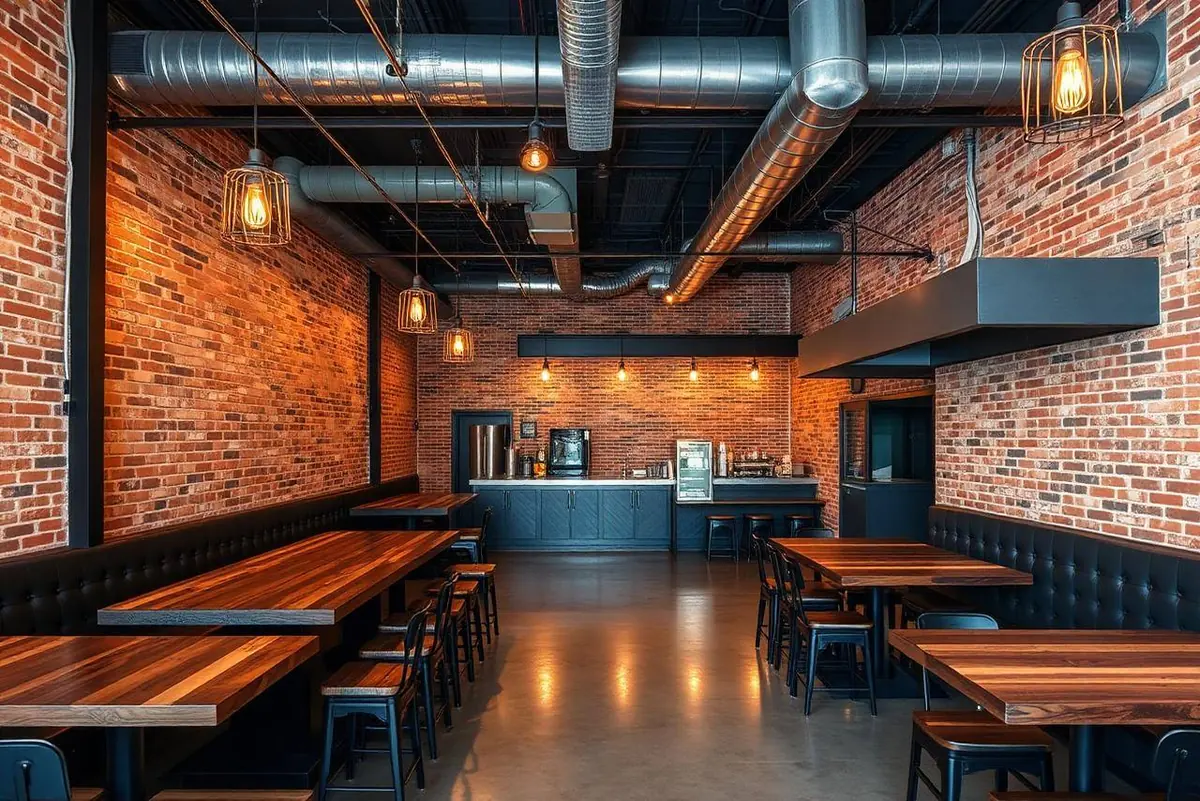
If a restaurant opens late, the hood package is usually why. It touches mechanical, electrical, plumbing, gas and fire alarm scopes and requires its own inspections.
Type I versus Type II
Grease-producing equipment requires a Type I hood with grease-rated duct, welded and enclosed as required, and a fire suppression system. Type II serves heat and steam only and is far simpler.
Make-up air balance
Exhaust without matched make-up air pulls the dining room negative, causing door and comfort complaints and failed balancing reports. Balance is engineered, not adjusted at the end.
Suppression system interlocks
The Ansul system must shut down gas and appliance power and signal the fire alarm on activation. Those interlocks are inspected and commonly fail on the first test when trades were not coordinated.
Sequence
File hood drawings early, coordinate roof penetration and curb work with the landlord, schedule inspections in the required order, and never sequence final health department review before fire sign-off.
Frequently Asked Questions
How long do hood permits take?
Frequently 4–10 weeks depending on jurisdiction, which is why they should be filed at the start of the project.
Planning a commercial interior project?
Transparent pricing, one contract, and a schedule we commit to — across New York, Texas and Florida.
Contact Us