Commercial Construction
Residential vs Commercial Construction: The Key Differences
June 4, 2026 · 6 min read
The two disciplines share tools and trades, but almost nothing else. Commercial construction is governed by occupancy classifications, accessibility law, fire-rated assemblies, commercial-grade systems and inspection regimes that residential work never encounters.
Code and occupancy
Commercial work is classified by occupancy group — business, mercantile, assembly, institutional, factory, storage — and each classification carries its own egress, sprinkler, ventilation and accessibility requirements. Change the use of a space and the entire code analysis changes with it.
Systems and materials
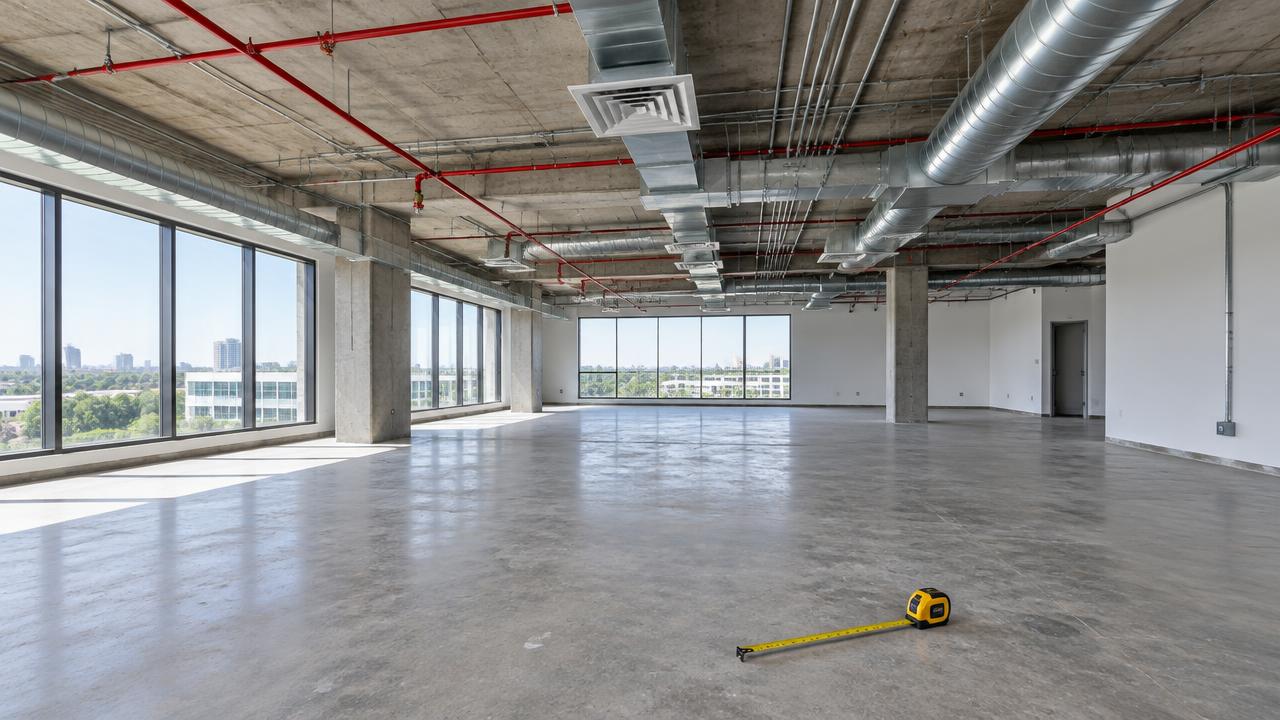
Commercial interiors use heavier gauge framing, rated assemblies, commercial HVAC with outside-air requirements, three-phase power, ADA-compliant hardware and finishes rated for high traffic and cleanability.
Contracts and risk
Commercial contracts carry insurance requirements, lien waivers, retainage, liquidated damages and schedule obligations tied to rent or revenue. The financial exposure of a missed date is measured in operating dollars, not inconvenience.
Inspections
Special inspections, controlled inspections, fire alarm testing, health department review and third-party commissioning are routine on commercial work and effectively absent on residential jobs.
Frequently Asked Questions
Can a residential contractor do commercial work?
Rarely well. Filing requirements, occupancy code, commercial MEP and inspection coordination are a different practice, and licensing often differs by jurisdiction.
Does Ariel Construction do residential work?
No — we build commercial interiors exclusively.
Planning a commercial interior project?
Transparent pricing, one contract, and a schedule we commit to — across New York, Texas and Florida.
Contact Us