Renovation
Renovating a Commercial Rental Space in NYC: Landlord and Tenant Responsibilities
October 18, 2026 · 4 min read
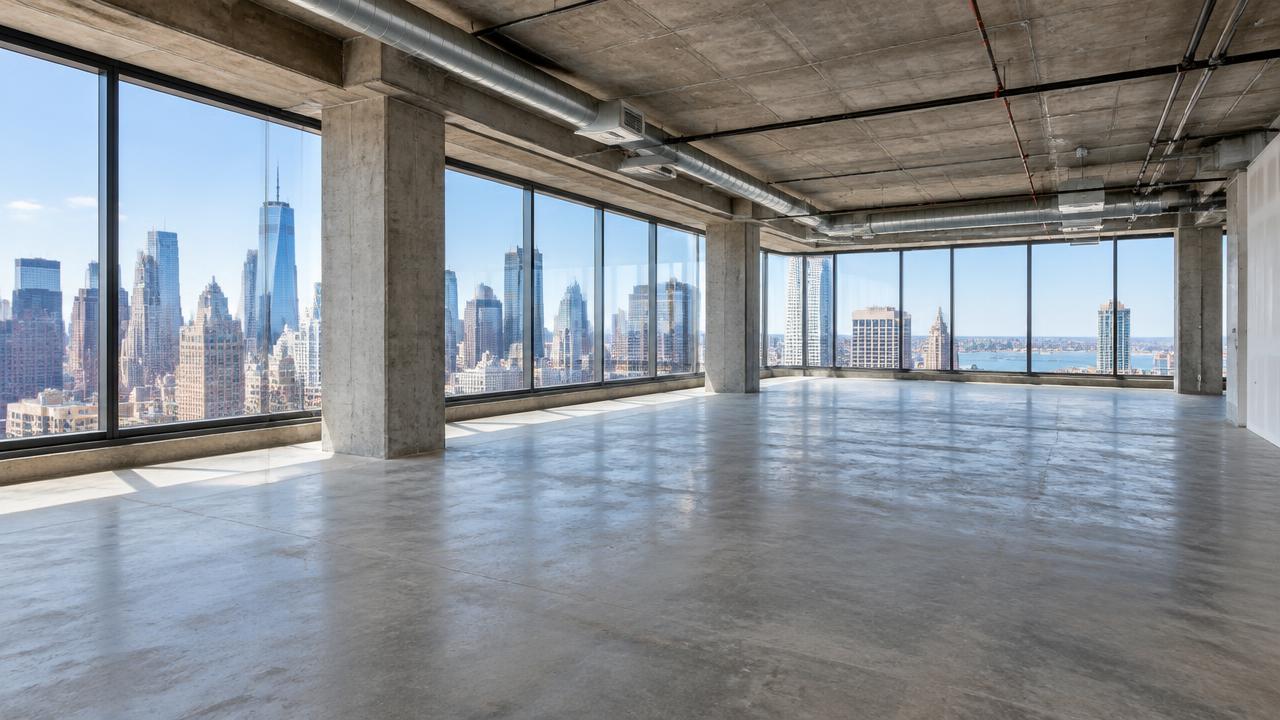
Concept illustration for planning; not a completed Ariel Construction project.
In most New York City commercial rental renovations, the lease decides who does what. Usually: - The landlord delivers the base building and approves the plans. - The tenant designs and pays for its own interior work, often with help from a tenant improvement allowance. - Both sides follow the building's alteration rules. Reading the lease and the building's alteration agreement before design starts can help identify costly responsibilities before construction starts. This is general guidance, not legal advice. Have your attorney review your lease.
The Documents That Decide Responsibilities
- The lease. It sets out what can be altered, who approves the work, and whether you must restore the space when you move out.
- The work letter. It describes the landlord's work, the tenant's work, and any allowance. Common setups are:
- Turnkey: the landlord builds the space.
- Allowance: the tenant builds and is reimbursed up to a set amount.
- As-is: the tenant takes the space as it is and pays for everything.
- The alteration agreement or building rules. These cover contractor insurance, work hours, freight elevator use, required filings and closeout documents.
What Landlords Typically Handle
- delivering base-building systems in the condition the lease promises
- reviewing and approving tenant drawings
- coordinating building-wide systems such as fire alarm and sprinkler connections
- setting rules for contractors working in the building
What Tenants Typically Handle
- hiring the architect and contractor, unless the deal is turnkey
- filing permits for the tenant's work
- paying for work beyond the allowance
- following building rules and handing in closeout documents
- restoring the space at lease end, if the lease requires it
Approvals and Permits in NYC
Most work that changes layout, egress or building systems needs plans filed with the NYC Department of Buildings. The landlord usually has to approve the drawings before they're filed. If the building is a designated landmark or sits in a historic district, as many SoHo and Flatiron buildings do, storefront and exterior changes may also need Landmarks Preservation Commission approval.
Getting a Reliable Renovation Estimate for a Rental Space
Commercial renovation estimates in NYC are most useful to compare when they're based on the same information. Before you ask for pricing:
- Get the landlord's base-building information and building rules.
- Confirm what the landlord delivers under the work letter.
- Do an existing conditions survey, especially in older Midtown and SoHo buildings.
- Make sure every estimate excludes landlord work, so you're not paying for it twice.
- Ask for a schedule that includes landlord review and permit time.
Outside Manhattan
In Long Island City, many tenants move into converted industrial buildings, where base-building systems vary widely. In Garden City and other Nassau County towns, the local building department reviews permits instead of NYC DOB. That changes the review timelines.
How This Works in Florida and Texas
In Brickell (Miami), plans go through the City of Miami building department under the Florida Building Code, after the landlord approves them. In Uptown Dallas, the City of Dallas issues permits, and Texas accessibility review may apply. The lease setup — work letter, allowance, approvals — works much the same in all three markets.
We help tenants and landlords plan tenant improvement projects. You can see our New York City service area for the boroughs and counties we cover.
Frequently Asked Questions
Who pays for code upgrades triggered by my renovation?
It depends on the lease. Upgrades inside your space are often the tenant's responsibility. Upgrades to base-building systems may be the landlord's. Check your work letter.
Can I use my own contractor?
Many leases allow it, subject to landlord approval and the building's insurance requirements. Some buildings require specific trades for fire alarm or base-building connections.
What is a restoration clause?
It's a lease term that may require you to remove your alterations when you move out. Review it before you design, because it can affect what you choose to build.
Sources and further guidance
Planning a commercial interior project?
Transparent pricing, one contract, and a schedule we commit to — across New York, Texas and Florida.
Contact Us