Cost & Budgeting
Commercial Renovation Change Orders in South Florida: Causes and Control
October 17, 2026 · 4 min read

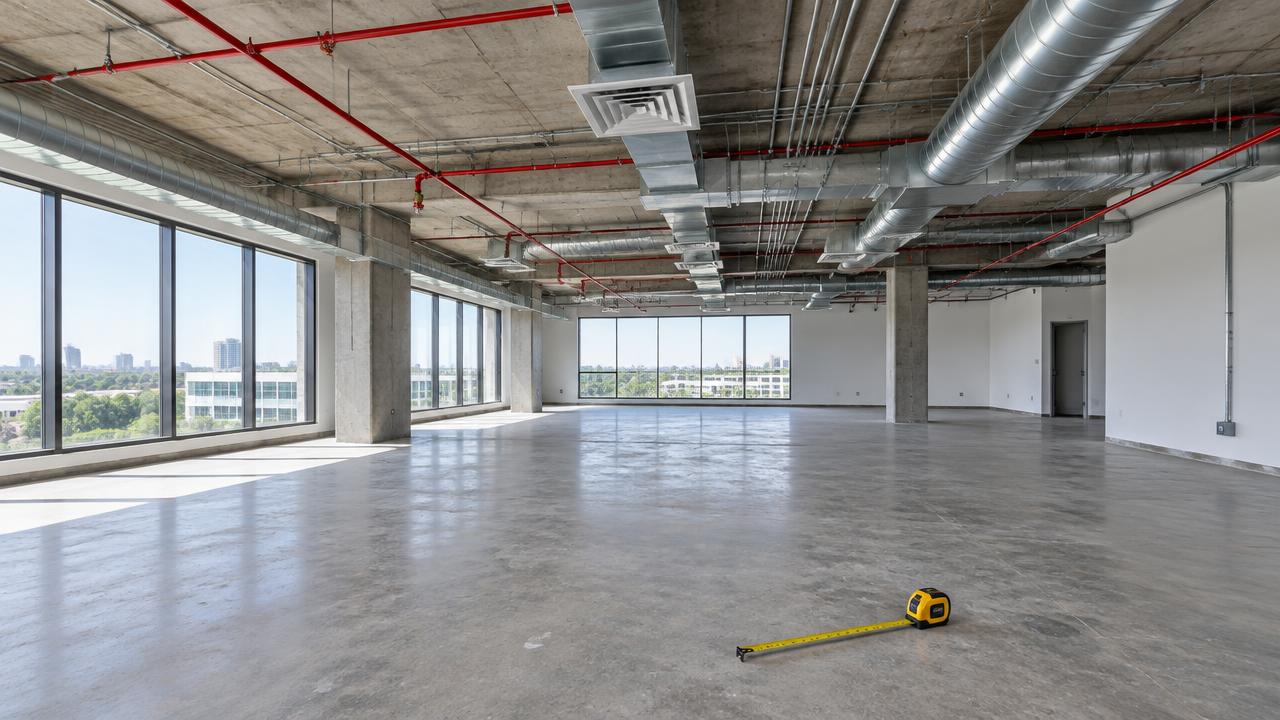
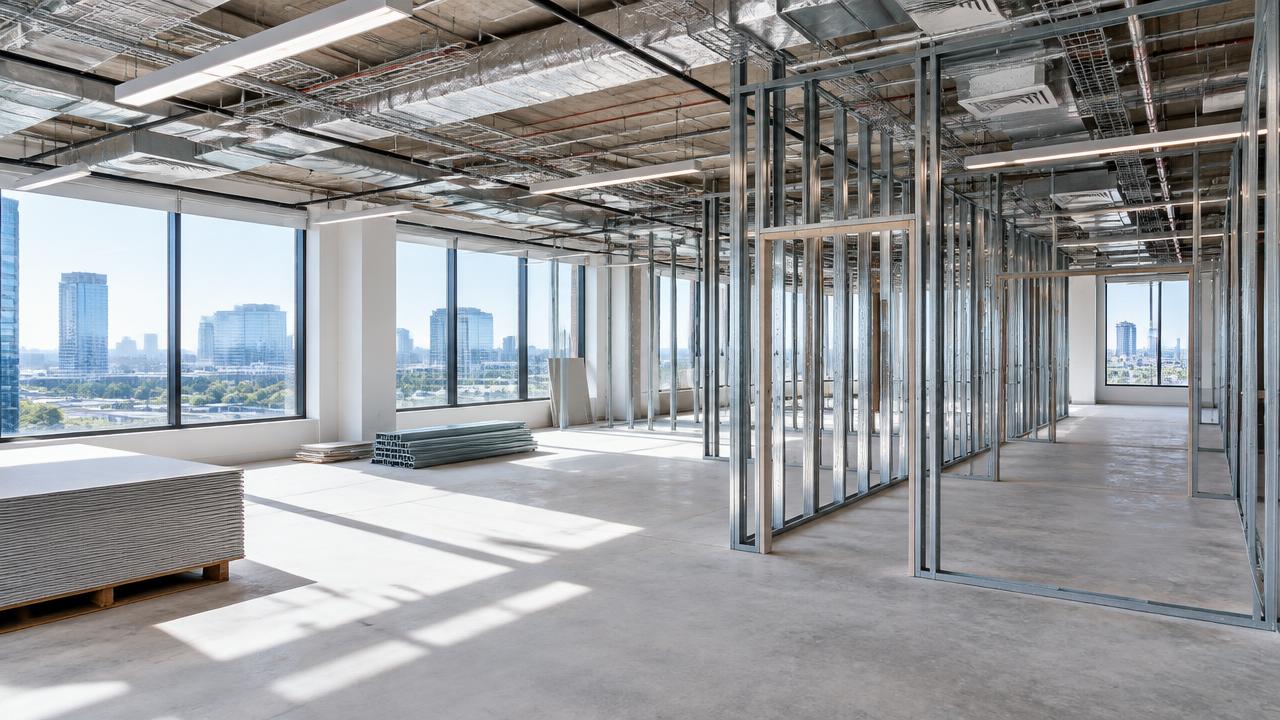
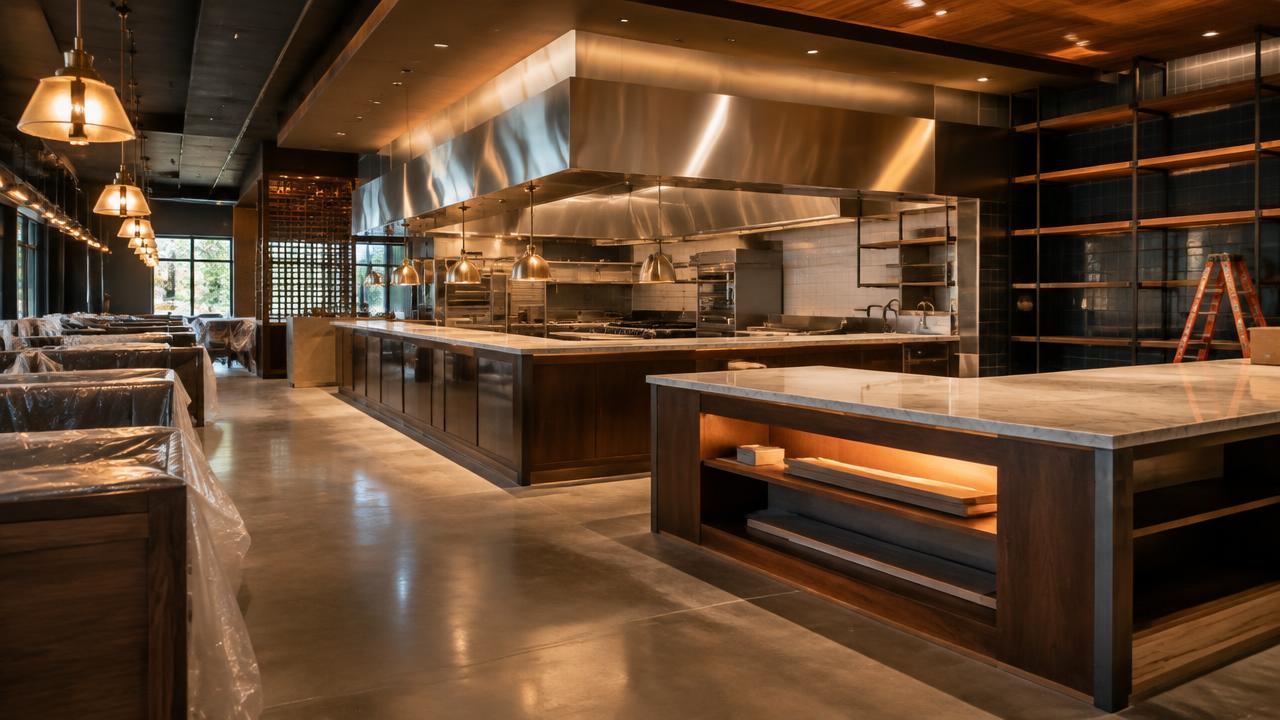
Concept illustration for planning; not a completed Ariel Construction project.
There's no single reliable "average change order percentage" for construction. Published studies report very different figures depending on project type, how the contract is set up and how the study measured change orders. Common sources of change orders include: - Hidden conditions - Unfinished design - Owner-requested changes - Unclear scope Early surveys, complete design and clear decisions can help reduce these risks, but cannot eliminate all changes.
What a Change Order Is
A change order is a written change to the contract's scope, price or schedule after it's signed. Not every change order is bad. Some are owner upgrades. Unplanned changes can put pressure on budgets and opening dates.
The Four Main Causes
1. Hidden conditions
Older buildings hide things like undocumented walls, damaged piping, or electrical panels with no spare capacity. Any of these can change the scope once demolition begins.
2. Incomplete design
When drawings go out to bid before mechanical, electrical and plumbing coordination is finished, the missing pieces show up later as change orders.
3. Owner changes
Changing finishes, layouts or equipment mid-project is common and often legitimate. These changes cost the most once materials are ordered or the work is already installed.
4. Unclear scope and allowances
Vague line items such as "allowance for lighting" or "finishes TBD" are open-ended. If the real selection costs more than the allowance, the difference becomes a change order.
How to Plan a Contingency
Instead of chasing an industry average, set your contingency based on your own project's risk:
- Building age and condition: older buildings need more contingency.
- Survey quality: a thorough existing conditions survey lowers risk.
- Design completeness: finished, coordinated drawings lower risk.
- Owner decision speed: decisions made late raise risk.
Keep the owner contingency separate from the contractor's price, and track every draw against it.
Practical Ways to Limit Change Orders
- Survey before pricing, so hidden conditions are priced up front.
- Finish MEP coordination before bidding.
- Replace allowances with real selections wherever you can.
- Ask for a line-item proposal, so each change can be priced against a clear baseline.
- Agree on a change-order process in the contract. It should require written pricing and schedule impact before any work proceeds.
- Lock in decisions on time, and keep a simple log of open owner decisions.
Regional Notes
New York, Connecticut and New Jersey
In Manhattan, renovations in older buildings are where hidden-condition change orders come up most often. Building rules on work hours and freight elevator access can also add cost when the schedule shifts. The same discipline applies in Stamford, Connecticut, and Jersey City, New Jersey, though each has its own permitting office.
South Florida
In Boca Raton and Jupiter in Palm Beach County, landlord approvals and building department reviews can trigger revisions if the plans change after submission. Lock the design before filing to avoid having to resubmit.
Dallas–Fort Worth
In Plano and Southlake, fast-moving retail and office projects often add scope late to hit an opening date. Pricing those additions before approving them keeps the schedule honest. Texas accessibility review may also require plan changes, so do it early.
How Ariel Construction Approaches Change Orders
Review Ariel Construction’s transparent pricing approach when comparing proposals. For any contract, agree how changes will be documented, priced and authorized, including urgent or safety-related exceptions. Our commercial renovation page describes the broader service.
Frequently Asked Questions
Is a change order always extra cost?
No. Change orders can also remove scope or swap items, which can lower the price.
Who pays for hidden conditions?
It depends on the contract. Many contracts treat truly unforeseeable conditions as the owner's cost. That's why surveys and contingencies matter.
Can a fixed-price contract still have change orders?
Yes. Fixed price covers the defined scope. Changes to that scope are still priced as change orders.
Planning a commercial interior project?
Transparent pricing, one contract, and a schedule we commit to — across New York, Texas and Florida.
Contact Us