Manhattan Office Build-Out Cost: A Practical Guide for Tenants and Owners
Budgeting an office build-out in Manhattan is rarely about picking finishes. Costs are shaped by building rules, power and data density, HVAC limits, and the choreography required to work inside an occupied tower. Two spaces with identical square footage can differ by hundreds of thousands of dollars simply because one requires more coordination with the base building.
This guide explains how Manhattan office build-out costs are formed, what typically drives them up, and how businesses can plan with clarity instead of guesswork.
What Is Included in a Manhattan Office Build-Out
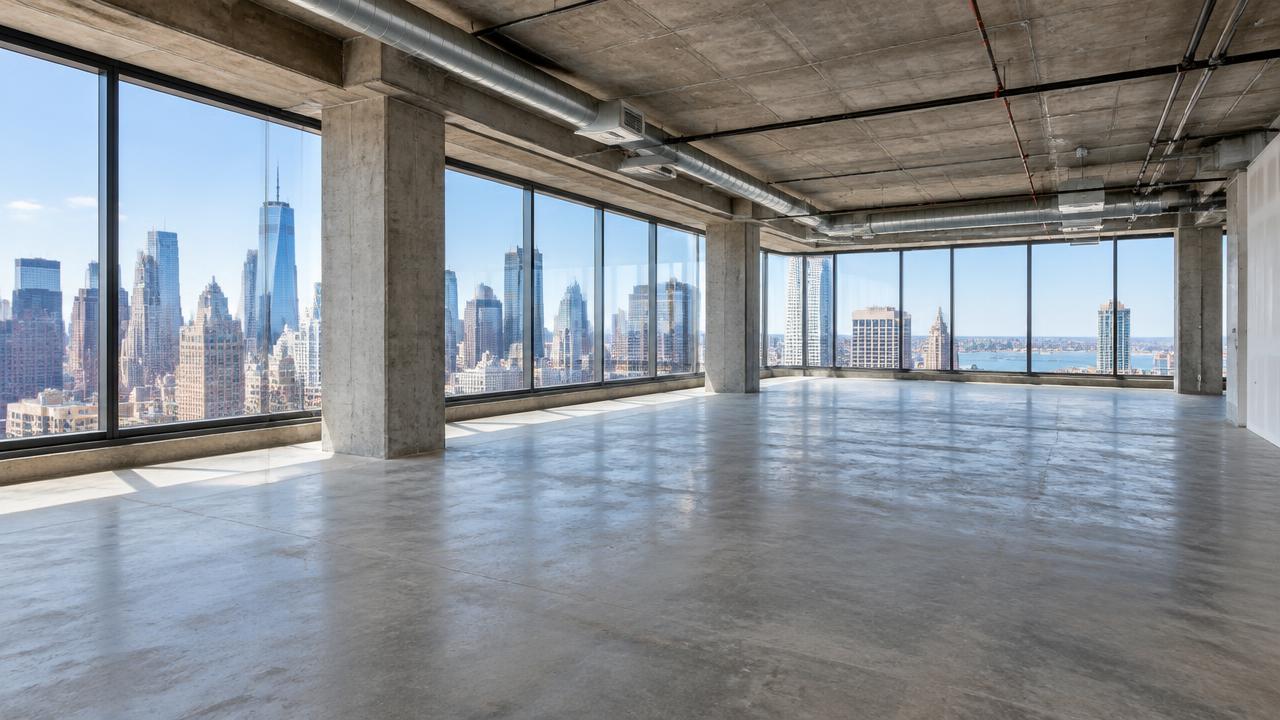
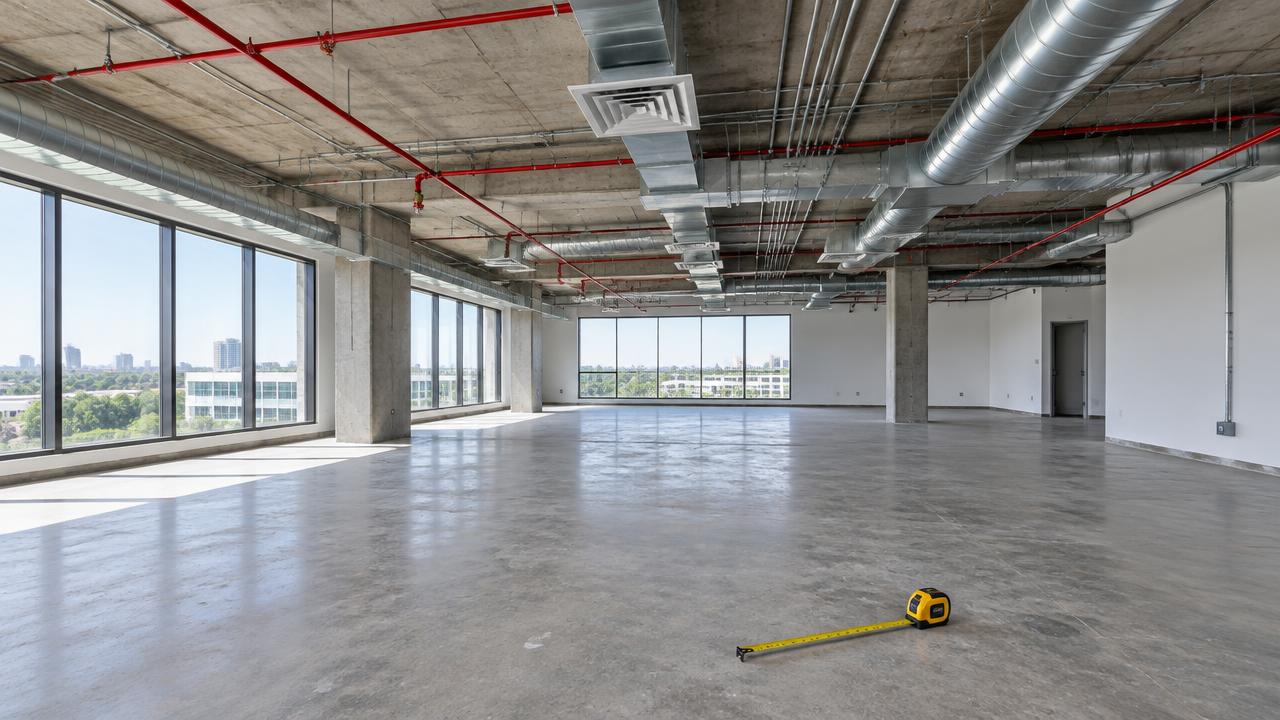
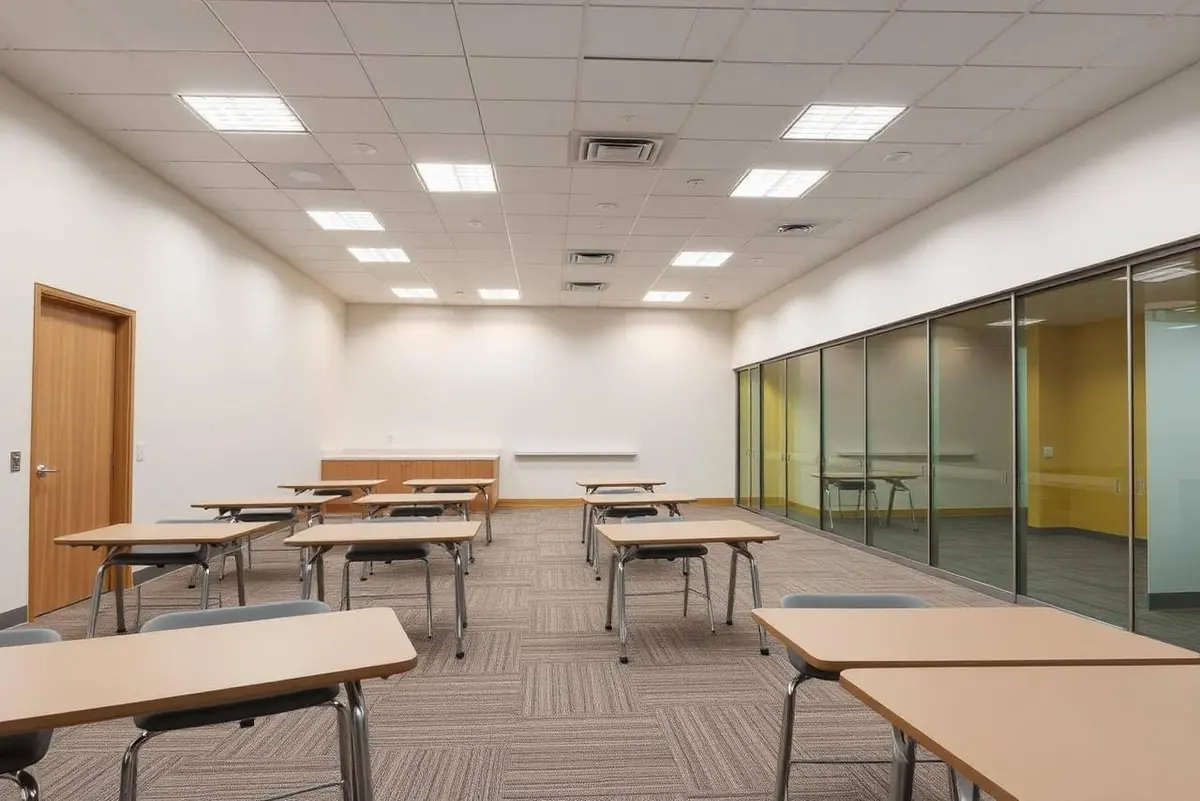
An office build-out converts a shell or partially finished unit into a functioning workplace. In Manhattan, this usually involves regulated systems rather than cosmetic work alone.
Common components include:
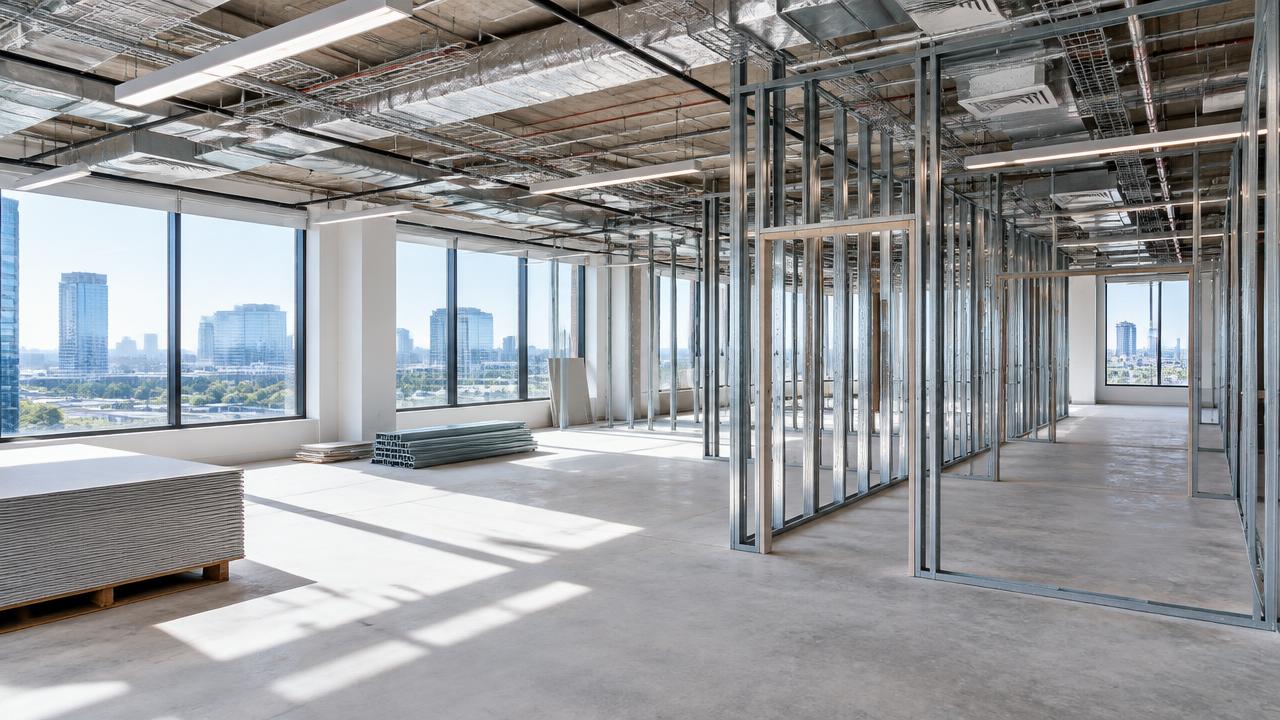
- Partition walls, doors, and glass fronts
- Electrical distribution for workstations and AV
- Data infrastructure and IT rooms
- HVAC modifications tied to new layouts
- Fire alarm and sprinkler adjustments
- Pantry and support areas
- Millwork, lighting, and finishes
Even a small shift in room layout can trigger engineering reviews and DOB filings, which is why early planning matters more here than in most cities.
Realistic Cost Ranges in Manhattan
Per-square-foot numbers are only a starting point, but they help tenants set expectations.
Typical ranges:
- Basic tenant fit-out: $95–$140 per sq ft
- Standard professional office: $140–$190 per sq ft
- Tech-heavy or high-finish space: $190–$260+ per sq ft
The same 5,000 sq ft floor can vary by more than $400,000 depending on the system’s scope and building logistics. In Manhattan, the invisible work often costs more than the visible finishes.
The Five Largest Cost Drivers
Understanding commercial build-out cost in Manhattan requires looking past finishes to the systems and logistics that sit behind them. Most tenants assume walls and flooring set the budget, but in Manhattan, the hidden work usually carries more weight.
The following five categories shape nearly every Manhattan office fit-out.
1. Electrical and Data Density
Modern offices consume far more infrastructure than the spaces they replace. A single workstation can require multiple circuits, data drops, and AV connections, and conference rooms often function like small broadcast studios. When real usage is mapped to drawings, electrical budgets climb quickly.
Projects completed for technology and media tenants such as Attentive, Fastly, Abrams Media, Plus 972, and Ford Models illustrate how infrastructure, rather than finish, often defines the price.
Key impacts include:
- New panels or sub-panels to support higher loads
- Floor boxes and poke-throughs for flexible seating
- Conduit routing above ceilings and through cores
- Dedicated power for IT and server rooms
2. HVAC Modifications
Most Manhattan buildings were designed for open bullpen layouts, not the mix of offices, meeting rooms, and phone booths common today. Every new room changes the air balance, which means mechanical work even when no new equipment is added.
Typical requirements include:
- Additional VAV boxes to serve enclosed rooms
- New duct branches and diffusers
- After-hours tie-ins to base-building systems
- Building engineer supervision during shutdowns
HVAC changes rarely look dramatic on drawings, yet they extend schedules and push up labor and management costs more than almost any other trade.
3. Partitions and Glass
Drywall offices are predictable. Glass offices are not. In Manhattan, the decision to use glass affects structure, acoustics, and lead times simultaneously.
Full-height glass fronts usually require:
- Structural reinforcement at heads and jambs
- Acoustic gasketing to meet privacy targets
- Specialty hardware and custom fabrication
- Longer procurement windows
A shift from 20 percent glass to 60 percent glass can add six figures to a mid-size Manhattan office fit-out, even when the layout itself does not change.
4. Building Logistics
Logistics in Manhattan is a silent budget line. Work occurs inside occupied towers with strict operating rules, and those rules directly shape labor hours.
Most buildings impose:
- Restricted work hours and noise limits
- Freight elevator reservations
- Protection and cleanup protocols
- Security sign-in and insurance requirements
None of these items appear on finish schedules, yet they are central to commercial build-out cost in Manhattan.
5. Permits and Professional Fees
Soft costs are often underestimated until the first invoice arrives. In New York City, documentation and approvals are part of construction.
Typical components include:
- Architectural and engineering drawings
- DOB filings and expediting
- Special inspections
- As-built documentation
These regularly represent 12–18 percent of the total budget, particularly when layouts touch life-safety systems.
How Space Type Changes the Budget
Cost behavior shifts with the way a company uses space. Two offices with identical square footage can differ by hundreds of thousands of dollars because their infrastructure needs are different.
Technology and SaaS Offices
Technology tenants demand the heaviest systems.
- Dense power and data grids
- Large server or network rooms
- AV-heavy meeting spaces
- Acoustic phone booths
Projects like those completed for Attentive and Fastly often sit at the top of the range because systems drive the design more than finishes.
Creative Agencies and Media
Creative companies blend infrastructure with brand expression.
- Flexible collaboration zones
- Feature lighting and custom millwork
- Production or editing rooms
Work for Abrams Media and Plus 972 shows how branding elements can rival core systems in cost.
Professional Services
Professional offices usually emphasize privacy over power.
- More private offices
- Moderate electrical needs
- Finishes over infrastructure
These spaces typically fall in the middle of the Manhattan office fit-out cost spectrum.
Timeline and Its Impact on Cost
A Manhattan schedule is as important as the drawings. The same scope can cost more simply because approvals run longer than expected.
Typical sequence:
- Test fit and budgeting: 2–4 weeks
- Design development: 4–6 weeks
- Landlord and DOB approvals: 4–8 weeks
- Construction: 8–14 weeks
Delays in approvals often cost more than on-site changes because crews and supervision remain active while waiting.
Budget Examples
3,000 sq ft professional office
- Moderate glass, limited HVAC
- Range: $420,000–$520,000
6,000 sq ft tech office
- Dense power, AV, HVAC work
- Range: $1.2M–$1.5M
10,000 sq ft creative office
- Feature finishes, mixed systems
Range: $1.6M–$2.1M
How Ariel Construction Supports Office Projects
Ariel Construction has delivered Manhattan offices for technology, media, and professional firms, including Attentive, Fastly, Cavalry, Abrams Media, Plus 972, and Ford Models. The company approaches office build-outs as operational transitions rather than isolated construction jobs, aligning design, budgeting, permitting, and construction through integrated design-build services. This structure allows critical decisions around electrical density, HVAC impacts, glass ratios, and building logistics to be resolved early, before costs escalate or approvals stall.
Key aspects of the firm’s approach:
- Budget-led design coordination so electrical density, HVAC impacts, and glass ratios are tested before drawings are finalized
- DOB and landlord sequencing are planned in parallel to shorten approval gaps
- MEP-first planning for power, data, and server rooms that modern offices require
- Occupied-building logistics are built into schedules, including freight windows and protection paths
- Operational closeout focused on commissioning systems before move-in
With 30+ years of experience and 500+ commercial projects completed, Ariel Construction brings a process refined across Manhattan towers where approvals and infrastructure often drive cost more than finishes.
The firm’s credibility is backed by a 5.0-star Google rating, consistent 5-star Yelp feedback, Better Business Bureau A+ accreditation, BNI membership, and Thumbtack Top Pro recognition. Many clients return for expansions and relocations, carrying the same standards into South Florida, Dallas, and Orlando.
For tenants, this structure means clearer budgets, fewer redesigns, and a single team accountable from test fit through handover.
Final Thoughts
A Manhattan office build-out is not simply about creating rooms. It is about navigating a dense regulatory environment while building infrastructure that supports how a company actually works.
When tenants understand how costs are formed and plan around those realities, the project becomes predictable rather than stressful. The best results come from early coordination, honest budgeting, and partners who know how Manhattan buildings truly operate.